How to Protect Metal Surfaces from Rust: Complete Guide to Long-Lasting Metal Coatings
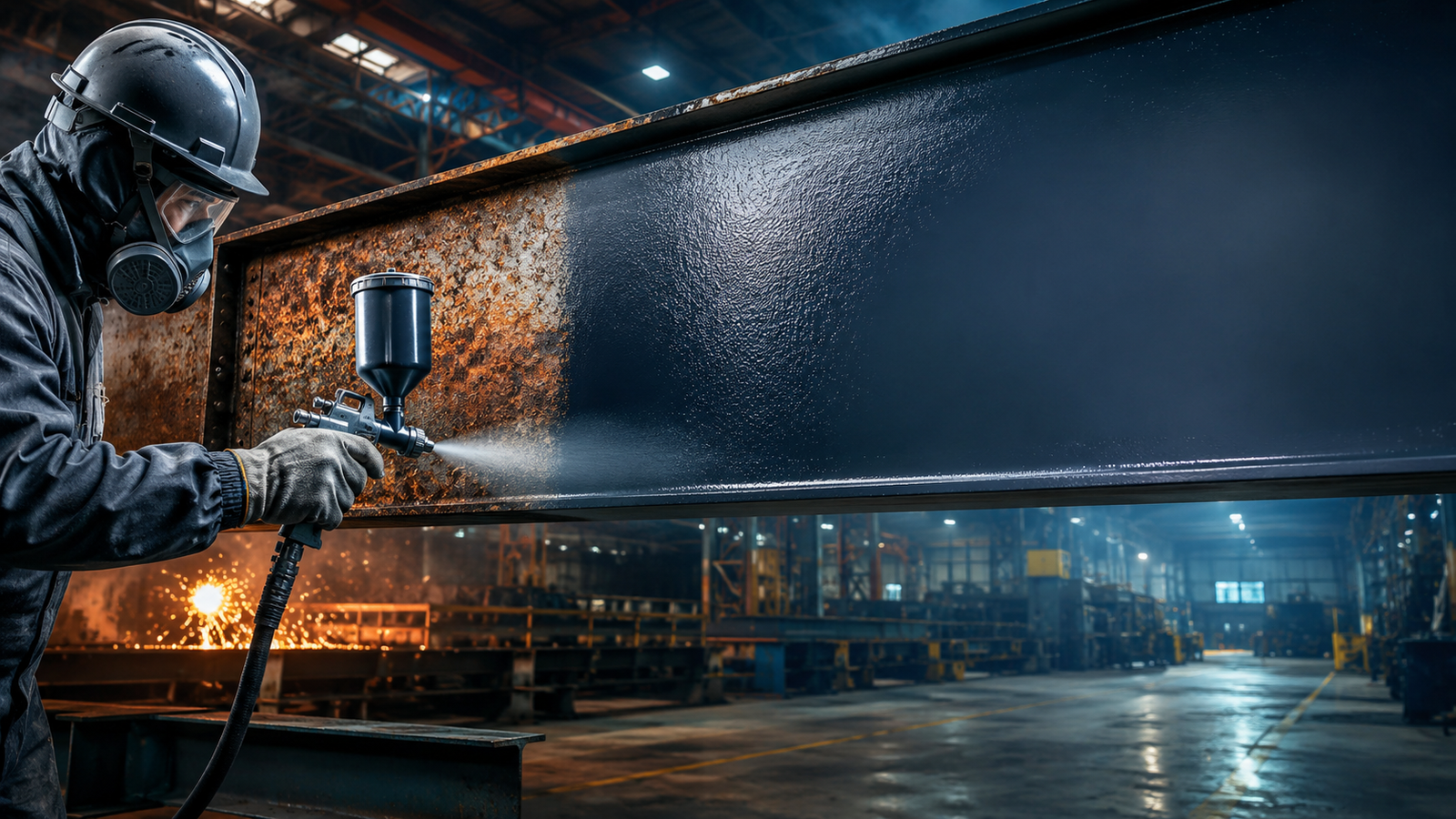
Metal is one of the most widely used materials in residential, commercial, and industrial construction. From steel structures and factory equipment to gates, railings, pipelines, machinery, and storage tanks, metal provides exceptional strength and durability. However, one common problem affects nearly every metal surface over time—rust.
Rust not only makes metal look unattractive but also weakens its structure, increases maintenance costs, and shortens its lifespan. Whether you own a manufacturing facility, manage commercial buildings, or simply want to protect metal installations at home, preventing corrosion should always be a priority.
Fortunately, modern coating technologies have made rust prevention more effective than ever. By selecting the correct coating system and following proper surface preparation techniques, metal surfaces can remain protected for many years, even in harsh weather or industrial environments.
In this comprehensive guide, we'll explore why rust forms, how it damages metal, and the best ways to protect your investment using professional coating solutions.
What Causes Rust on Metal?
Rust is a natural chemical reaction that occurs when iron or steel comes into contact with oxygen and moisture over time. This process, known as oxidation, slowly converts the metal into iron oxide, reducing its strength and durability.
Several environmental conditions accelerate rust formation:
- High humidity
- Frequent rainfall
- Coastal environments with salty air
- Industrial pollution
- Chemical exposure
- Water leakage
- Poor ventilation
- Damaged paint coatings
Even small scratches in an existing paint layer can expose bare metal to moisture, allowing corrosion to begin beneath the surface.
Why Rust Protection Matters
Proper rust protection offers several important benefits:
Longer Equipment Life. Protective coatings significantly extend the service life of steel structures, machinery, and fabricated metal products.
Lower Maintenance Costs. Preventive maintenance is always less expensive than replacing corroded metal components.
Better Appearance. Fresh, professionally coated metal surfaces maintain a clean and attractive finish for years.
Improved Safety. Rust weakens structural integrity. Preventing corrosion helps maintain the strength of buildings, industrial equipment, and safety barriers.
Increased Asset Value. Well-maintained metal assets retain higher resale value and require fewer repairs throughout their lifecycle.
Common Areas That Need Metal Protection
Almost every industry relies on metal surfaces that require long-term corrosion protection. Some of the most common applications include:
Residential: iron gates, balcony railings, window grills, stair railings, metal fences, and garage doors.
Commercial Buildings: structural steel, fire escape staircases, parking structures, roofing systems, and metal partitions.
Industrial Facilities: storage tanks, pipelines, manufacturing machinery, industrial equipment, conveyor systems, and heavy fabrication.
Infrastructure Projects: bridges, transmission towers, utility poles, steel warehouses, and railway components.
Each application requires a coating system specifically designed for its operating environment.
Types of Metal Corrosion
Understanding different forms of corrosion helps in selecting the right protection method.
- Pitting Corrosion: small holes develop on the surface, often causing significant structural damage despite appearing minor.
- Crevice Corrosion: occurs in narrow gaps where moisture becomes trapped.
- Atmospheric Corrosion: caused by continuous exposure to outdoor weather conditions including rain, humidity, pollution, and UV radiation.
Different corrosion types require different protective coating systems.
Surface Preparation: The Foundation of Every Successful Coating
Even the highest-quality paint cannot perform well if applied over dirt, grease, rust, or loose particles. Professional surface preparation is one of the most important steps in corrosion prevention. It generally includes:
- Cleaning: dust, oil, grease, and contaminants are removed before coating begins.
- Rust Removal: existing corrosion is eliminated using wire brushing, grinding, mechanical tools, or abrasive blasting.
- Surface Profiling: a properly prepared surface creates better adhesion between the metal and the protective coating.
- Dry Surface Inspection: before painting, technicians ensure the surface is completely dry and free from contaminants.
Skipping these preparation steps often results in premature coating failure.
Choosing the Right Metal Coating System
Not every metal coating is designed for the same environment. The right coating depends on factors such as humidity, chemical exposure, temperature, abrasion, and expected service life. Professional coating systems generally consist of multiple layers working together for maximum protection.
Primer. The primer creates strong adhesion while providing the first level of corrosion resistance. High-performance epoxy primers are widely used for industrial metal protection because they offer excellent bonding and durability.
Intermediate Coat. An intermediate coating increases film thickness and improves resistance against moisture and chemicals. This layer also strengthens the overall coating system.
Topcoat. The final layer provides UV resistance, weather protection, colour retention, scratch resistance, and a decorative appearance. A quality topcoat protects both the coating system and the metal beneath it, helping maintain long-term performance even in demanding environments.
Epoxy vs PU vs Acrylic Metal Coatings
Selecting the right coating system is just as important as proper surface preparation. Different environments demand different levels of protection, and each coating technology offers unique advantages.
Epoxy Coatings. Epoxy coatings are widely used in industrial applications because of their excellent adhesion and resistance to chemicals, moisture, and abrasion. They are best suited for industrial machinery, steel structures, pipelines, warehouses, factory equipment, and storage tanks. Advantages include outstanding corrosion resistance, strong adhesion to metal, high durability, excellent chemical resistance, and long service life.
PU (Polyurethane) Coatings. PU coatings are commonly used as the final protective layer because they provide excellent weather resistance and retain their colour and gloss for years. They are best suited for outdoor metal structures, commercial buildings, decorative steelwork, and industrial equipment exposed to sunlight. Advantages include UV resistance, excellent gloss retention, scratch resistance, a smooth premium finish, and long-lasting appearance.
Acrylic Coatings. Acrylic coatings are suitable for projects where appearance, quick drying, and moderate protection are the main priorities. They are best suited for light commercial applications, decorative metal products, and indoor metal surfaces. Advantages include fast drying, easy application, an attractive finish, and cost-effectiveness.
For maximum durability, many professional projects use a combination of Epoxy Primer + Intermediate Coat + PU Topcoat to create a complete protection system.
Best Practices for Long-Lasting Metal Protection
Even premium coatings require proper application techniques. Following industry best practices helps maximize performance and extends the life of the coating system.
Inspect the Surface First. Before starting any painting work, inspect the surface for existing rust, oil or grease, moisture, previous coating damage, and structural defects.
Use the Correct Primer. Different metals require different primer systems. Using the wrong primer may reduce adhesion and shorten coating life.
Follow Recommended Dry Film Thickness. Applying too little paint reduces protection, while excessive thickness can lead to cracking or peeling.
Allow Proper Drying Time. Each coating layer should fully cure before applying the next coat. Rushing the process can weaken the entire system.
Apply Under Suitable Weather Conditions. Avoid painting during heavy rain, excessive humidity, or extreme temperatures unless the coating system is specifically designed for those conditions.
Common Mistakes That Lead to Early Rust
Many coating failures occur because of avoidable mistakes during preparation or application. Some of the most common errors include:
- Painting directly over rust
- Skipping surface cleaning
- Using low-quality primers
- Applying uneven paint thickness
- Ignoring drying times
- Choosing decorative paint instead of protective coatings
- Failing to inspect the surface regularly
- Using indoor coatings for outdoor environments
Maintenance Tips for Metal Coatings
Protective coatings are designed to last, but routine maintenance ensures they continue performing effectively. A few simple practices can make a significant difference:
- Inspect painted metal surfaces every few months.
- Remove dirt, dust, and chemical deposits regularly.
- Repair scratches or chips as soon as possible.
- Touch up damaged areas before rust develops.
- Schedule professional inspections for industrial equipment operating in demanding environments.
Preventive maintenance is far more affordable than replacing heavily corroded metal structures.
How to Choose the Right Metal Coating Partner
The success of any coating project depends not only on the products used but also on the expertise behind the application. When selecting a coating partner, consider:
- Experience with residential, commercial, and industrial projects
- High-quality coating systems
- Proper surface preparation methods
- Technical guidance for product selection
- Consistent quality standards
- Reliable after-sales support
An experienced coating provider can recommend the right system based on environmental conditions, expected lifespan, and project requirements.
Why Investing in Quality Metal Coatings Saves Money
Some businesses focus only on the initial cost of paint. However, the true cost of a coating system includes maintenance, repairs, downtime, and replacement expenses over its lifetime.
A high-performance coating system can offer lower maintenance costs, reduced repair frequency, longer service life, better protection against harsh environments, improved operational efficiency, and enhanced appearance and asset value.
Investing in quality coatings from the beginning often proves more economical than repeatedly repainting damaged surfaces.
Professional Metal Coating Solutions by Zorvanta
Whether it's a residential gate, a commercial steel structure, or heavy industrial equipment, choosing the right coating system is essential for long-term protection.
At Zorvanta, we focus on delivering advanced coating solutions designed to improve durability, appearance, and performance across a wide range of applications. By combining quality products with proper surface preparation and application techniques, businesses and property owners can significantly reduce maintenance costs while extending the life of valuable metal assets.
Explore our PU Enamal Pro and industrial coating range, or request a quotation to specify the right rust-protection system for your project. You can also contact our team for tailored guidance.
Frequently Asked Questions (FAQs)
1. What causes rust on metal surfaces?
Rust forms when iron or steel comes into contact with oxygen and moisture over time. High humidity, rain, coastal salt air, industrial pollution, and even small scratches in the paint layer can accelerate rust formation.
2. How do I remove rust from metal before painting?
Remove loose rust using a wire brush, sandpaper, or mechanical grinding tools. For heavy corrosion, abrasive blasting is recommended. Always degrease the surface afterwards and apply a corrosion-inhibiting metal primer before the topcoat.
3. Which is better for metal: epoxy, PU, or acrylic coating?
Each serves a different purpose. Epoxy is best for industrial environments requiring chemical and moisture resistance. PU provides excellent UV stability and gloss retention for outdoor structures. Acrylic suits light commercial or indoor metal surfaces where appearance is the priority.
4. Is primer necessary before painting metal?
Yes. A metal-specific primer is essential. It provides the first layer of corrosion resistance, improves adhesion between the metal and topcoat, and ensures the overall coating system performs to its designed lifespan.
5. How long does a metal coating last?
With proper surface preparation and a well-matched coating system, a quality metal coating can last 5 to 15 years or more, depending on the environment, coating type, and maintenance schedule.
6. Can I paint galvanised metal?
Yes, but galvanised metal requires a primer specifically designed for non-ferrous or reactive surfaces. Standard metal primers may not adhere correctly. Always check product compatibility before applying any coating to galvanised steel.
7. What is the most common mistake when coating metal?
Painting directly over rust, grease, or mill scale without proper preparation is the single most common cause of early coating failure. Always clean, degrease, and prime correctly before applying any topcoat.
Need help choosing the right finish?
Talk to our team or request a tailored quotation for your project.