Interior Wall Painting: A Room-by-Room Guide to Colour, Sheen, and Finish
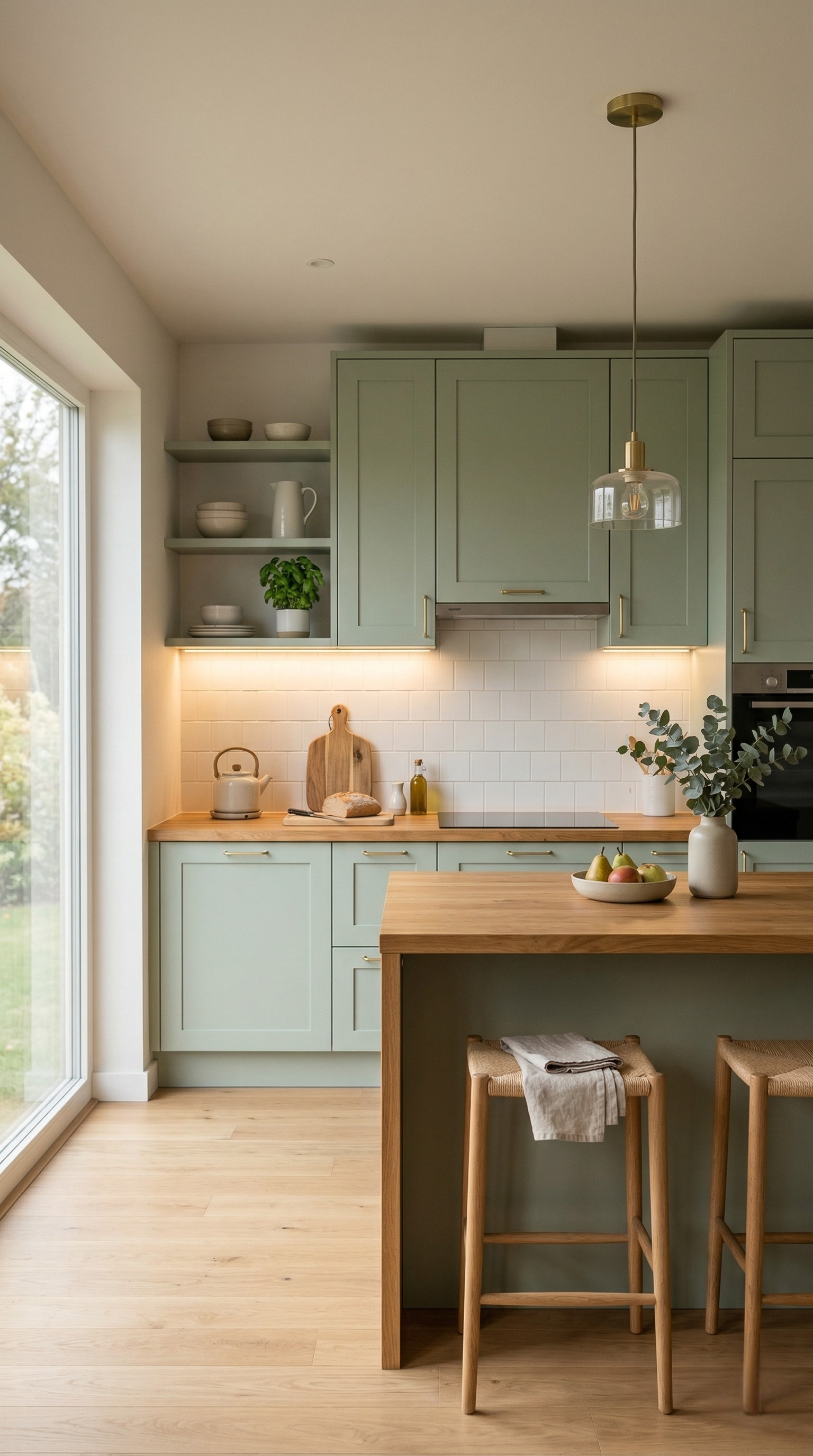
Walls are the largest surface in almost any room, which makes interior paint the single most powerful — and most affordable — way to change how a space feels. Yet the same colour can look warm and inviting in one room and cold and flat in another, depending on light, sheen, and the surface underneath. A successful interior scheme is never just a colour picked from a card; it is a set of decisions about colour, finish, and how each room is actually used, all working together.
This guide walks through those decisions the way a professional would approach them: starting with light and function, moving through colour and sheen, and finishing with the practical details that decide whether the result looks crafted or careless.
Start With Light, Not Colour
Before you fall in love with a shade, understand the light the room receives, because light changes colour more than any other single factor. A north-facing room gets cool, indirect light that can make greys and blues feel chilly, so it usually rewards warmer, softer tones. A south-facing room floods with warm light for much of the day and can carry cooler, deeper colours that would feel gloomy elsewhere. East-facing spaces are bright in the morning and shaded by afternoon, while west-facing rooms do the reverse.
Artificial light matters just as much. Warm bulbs push colours towards yellow and amber; cooler daylight-balanced bulbs reveal blues and greys more honestly. The only reliable way to judge a colour is to paint a generous test patch, live with it for a day, and look at it in morning light, afternoon light, and under your evening lamps. A colour that looks perfect in the shop under fluorescent tubes can be a completely different animal on your own wall.
Match the Colour to the Room's Job
Every room has a purpose, and colour can either support that purpose or fight it. Bedrooms are for rest, so they generally suit calmer, muted tones — soft neutrals, gentle greens, and warm off-whites that help the mind wind down. Living rooms are social and flexible; they can carry a little more depth or a feature colour, because they are places where energy is welcome. Kitchens and dining areas often benefit from warm, appetising tones that feel clean and lively.
Small rooms and narrow hallways read as larger and airier in light, reflective colours, while very large rooms can absorb deeper, richer shades without feeling closed in. This is not a rigid rulebook — plenty of striking rooms break these conventions on purpose — but it is a sensible starting point that keeps the scheme grounded in how the space will actually be lived in.
Understand Sheen — It Changes Everything
People agonise over colour and then pick a sheen almost at random, yet sheen affects both the look and the durability of a wall as much as the colour does. The same shade in matte and in semi-gloss can look like two different colours and behave completely differently under cleaning and wear.
- Matte / flat: Softest, most sophisticated look. It hides surface imperfections beautifully and gives colours a rich, velvety depth, which makes it ideal for ceilings, adult bedrooms, and formal living spaces. The trade-off is that it is the hardest to clean and the least resistant to scuffs, so it is happiest away from busy hands.
- Eggshell / satin: The most versatile all-rounder. It carries a gentle, low sheen that resists marks far better than matte and wipes clean without much fuss, which makes it the default choice for living rooms, hallways, and children's rooms that see everyday life.
- Semi-gloss / gloss: Hard-wearing and highly washable, with a noticeable shine. It shrugs off moisture and repeated cleaning, so it is well suited to kitchens, bathrooms, doors, and trim. The catch is that shine magnifies every bump and roller mark, so it demands the smoothest possible surface underneath.
A common professional approach is to use a softer sheen on the broad wall areas and a tougher, glossier sheen on trim, doors, and high-touch zones — the contrast is subtle but reads as deliberate and polished.
Building a Colour Scheme That Holds Together
Individual colours are easy; a scheme that flows from room to room is the real skill. A reliable method is to build around a simple ratio: a dominant colour covering most of the walls, a secondary colour for support, and a small accent used sparingly to add life. Keeping that structure consistent as you move through a home stops the space from feeling like a series of disconnected boxes.
Undertones are the quiet detail that makes or breaks a scheme. Every neutral leans somewhere — a \"white\" can be warm and creamy or cool and blue-grey, and a beige can lean pink, yellow, or green. Problems appear when undertones clash: a cool grey next to a warm cream can make both look slightly off without anyone being able to say why. Hold your samples side by side in the actual room light and check that their undertones agree before you commit.
Preparation Decides the Result
It is tempting to think of walls as an easy surface, but a flawless finish still depends entirely on preparation. Fill cracks and nail holes, sand them flush, and wipe away every trace of dust before you open a tin. Grease around switches and in kitchens must be cleaned off, or the paint will not bond evenly. Fresh plaster needs time to cure and usually a thinned first coat to seal it, while previously painted walls should be checked for flaking and lightly keyed so the new coat grips.
A quality primer earns its place on bare, patchy, or heavily repaired walls: it evens out absorption so the topcoat dries to a uniform sheen, blocks old stains from bleeding through, and helps the colour read true rather than sinking unevenly into porous patches. Skipping prep is the fastest route to a wall that looks blotchy the moment the light hits it.
Applying the Paint for an Even Finish
Technique is what turns good paint into a good-looking wall. Cut in the edges around the ceiling, corners, and trim with a brush first, then roll the main field while those edges are still wet so the two blend seamlessly rather than leaving a picture-frame effect. Load the roller properly and keep a wet edge, working in manageable sections so you are always rolling into fresh paint rather than back over a partly dried patch, which causes lap marks.
Two well-applied coats almost always beat one thick coat. A single heavy pass sags, dries unevenly, and rarely covers properly; two thinner coats build even colour and a consistent sheen. Respect the recoat time on the tin between them — rushing the second coat while the first is still soft is a common cause of patchy, streaky results.
Common Mistakes to Avoid
A handful of errors account for most disappointing interior jobs. Choosing a colour under shop lighting and never testing it on the wall leads to surprises. Ignoring undertones produces schemes that feel subtly wrong. Using a flat matte in a hallway full of hands guarantees scuffs within weeks. Skipping primer over repairs leaves visible patches. And rushing between coats undoes careful preparation. Each of these is easy to sidestep once you know to look for it.
Bringing It All Together
A great interior scheme is a series of small, sensible decisions rather than one bold stroke of inspiration. Read the light, respect what each room is for, choose a sheen that suits both the look and the wear, keep undertones in harmony, and never shortcut the preparation. Do that, and even a modest palette will feel considered, cohesive, and calm — the mark of a room that was painted with intent rather than in a hurry.
Planning an interior project and unsure where to start? Explore our decorative wall range to see colours and finishes in detail, or contact our team for tailored advice on building a scheme for your home.
Frequently Asked Questions (FAQs)
1. How do I choose the right wall colour for a room?
Start with the light the room receives, not the colour itself. North-facing rooms suit warmer tones; south-facing rooms can carry cooler, deeper shades. Always test a paint patch on the actual wall and observe it in morning, afternoon, and evening light before committing.
2. What paint sheen should I use for interior walls?
Matte or flat is ideal for bedrooms and formal living spaces as it hides imperfections. Eggshell or satin is the best all-rounder for living rooms and hallways. Semi-gloss or gloss suits kitchens, bathrooms, doors, and trim due to its washability and moisture resistance.
3. Do I need to prime interior walls before painting?
Yes, especially on bare plaster, repaired areas, or heavily stained walls. Primer seals porous surfaces, prevents stains from bleeding through, and ensures the topcoat dries to a uniform sheen. Skipping primer on patchy or repaired walls often leads to a blotchy finish.
4. How many coats of paint does an interior wall need?
Two well-applied coats almost always deliver better results than one thick coat. A single heavy pass can sag, dry unevenly, and fail to cover properly. Always allow the first coat to dry fully before applying the second.
5. Why does my wall colour look different from the paint card?
Paint looks different under different light sources. Shop lighting is often fluorescent and does not reflect how a colour will appear in your home. Always test the colour on your actual wall and view it under both natural daylight and your evening lighting before deciding.
6. What causes streaky or patchy walls after painting?
Common causes include painting over a dusty or greasy surface, skipping primer on porous areas, recoating before the previous layer has dried, and not maintaining a wet edge while rolling. Correct preparation and technique prevent almost all patchiness.
7. Can I use the same paint in every room?
You can use the same product range, but the colour and sheen should be chosen room by room based on light, function, and wear. A high-traffic hallway benefits from a more durable, washable sheen than a quiet bedroom.
Need help choosing the right finish?
Talk to our team or request a tailored quotation for your project.