What Makes a Metal Coating Truly Durable?
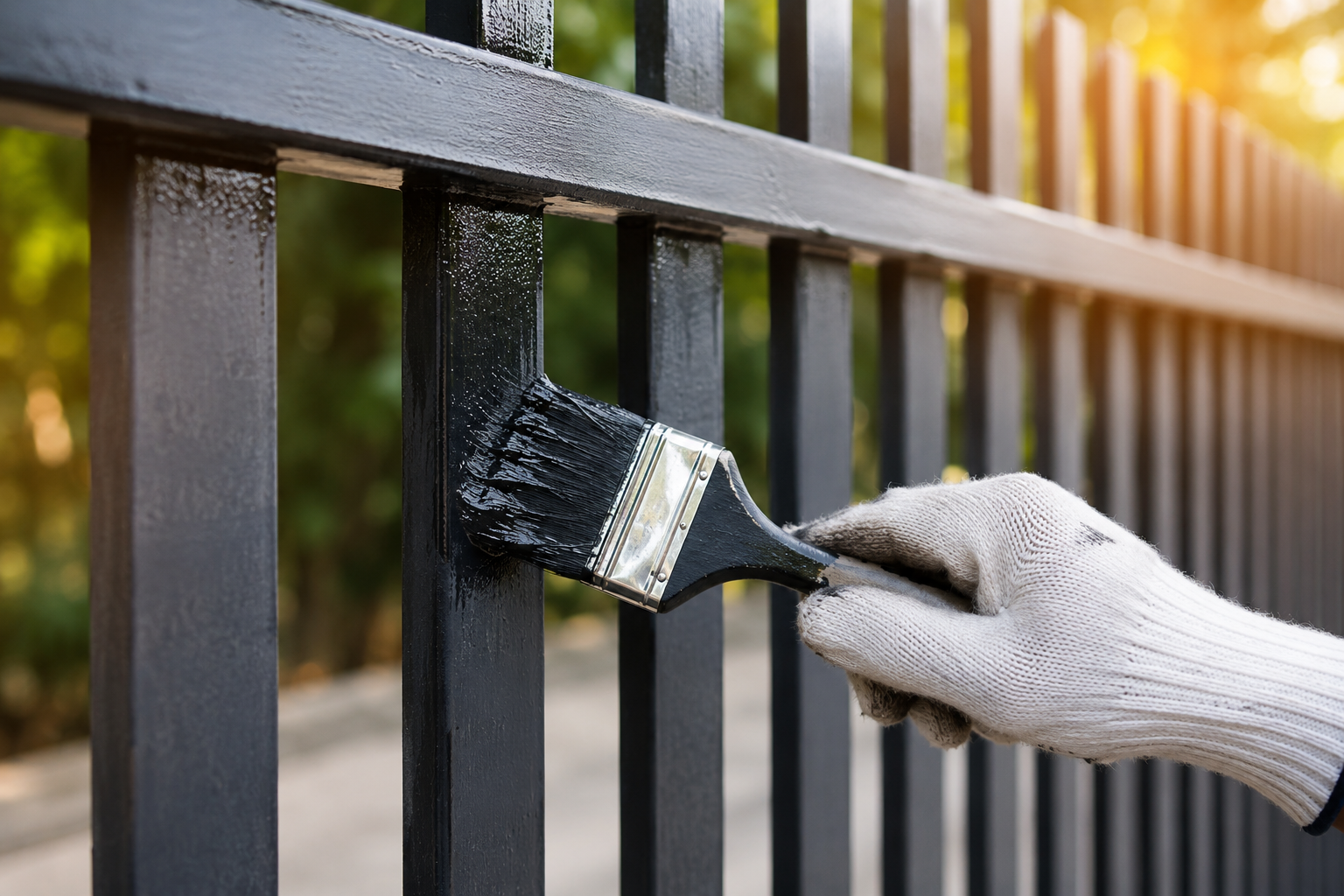
Two metal gates can be painted the same colour on the same day and end up in completely different condition a few years later. One still looks crisp and protected; the other is streaked with rust, chalky, and flaking at the edges. The difference is rarely the colour and almost never luck — it is the coating system and how well it was matched to the job. Metal is one of the most challenging surfaces to protect because it faces a combination of threats that few other substrates deal with all at once: corrosion, abrasion, temperature swings, and relentless weather.
Understanding what actually makes a metal coating durable helps you specify the right product, avoid premature failure, and get years of extra service from every painted surface. Here are the factors that matter most.
Adhesion: A Coating Is Only as Good as Its Grip
Everything starts with adhesion. Metal is smooth, non-porous, and often carries mill scale, oil, or an invisible layer of oxidation — none of which a topcoat can bond to reliably on its own. If the coating cannot grip the substrate, it does not matter how tough the film is; it will chip, peel, and lift at the first opportunity.
Strong adhesion depends on two things: clean, correctly profiled metal, and the right primer. Surface preparation removes contaminants and gives the primer a sound base, while a purpose-made metal primer chemically and mechanically anchors the system to the substrate. This bond is the foundation the entire coating stands on. When a metal finish fails early, poor adhesion at the primer stage is one of the most common root causes.
Corrosion Resistance: Stopping Rust Before It Starts
Rust is the defining enemy of metal. It begins the moment moisture and oxygen reach bare steel, and once it starts under a coating it spreads outward, lifting the film from beneath. A durable system is engineered to interrupt this process — first by sealing the metal away from moisture and air, and second by using anti-corrosive primers that actively inhibit rust formation even where the film is slightly compromised.
This is why you cannot judge a metal coating by its topcoat alone. The corrosion protection largely lives in the primer and in the integrity of the film as a whole. Edges, welds, bolt heads, and cut ends are the most vulnerable points, because coatings naturally thin at sharp geometry. A well-designed system pays extra attention to these details, ensuring continuous protection where rust most wants to take hold.
Weather and UV Resistance: Surviving Sun and Rain
Outdoor metal lives under constant assault from ultraviolet light, rain, humidity, and temperature cycling. UV radiation is especially destructive — it breaks down the binders in lower-quality coatings, causing colours to fade, gloss to dull, and the surface to chalk into a powdery residue. Rain and humidity then exploit any weakness the sun has created.
Quality PU enamels are formulated to resist exactly this. Their tough, UV-stable film holds colour and gloss far longer than ordinary enamels, keeping the metal beneath sealed and looking sharp season after season. Retained gloss is not just cosmetic; it is a visible sign that the protective film is still intact and doing its job. A coating that stays glossy is a coating that is still protecting.
Film Strength and Flexibility: Tough but Not Brittle
Metal surfaces get knocked, scraped, and handled. A durable coating needs a film hard enough to resist scratches and impacts, yet flexible enough to move with the metal as it expands and contracts with temperature changes. This balance is deceptively important. A film that is hard but brittle will crack under impact or thermal movement, and every crack becomes a doorway for moisture. A film that is flexible but soft scratches and wears through too easily.
The best systems achieve both: a resilient film that shrugs off everyday abrasion while flexing rather than fracturing under stress. This combination is what keeps a coating continuous over years of real-world use, and continuity is what keeps corrosion out.
The System Matters More Than Any Single Coat
It is worth stressing that durability is a property of the system, not of one product. Primer, any intermediate coat, and topcoat each do a specific job, and they are designed to work together. A premium topcoat over the wrong primer, or over poorly prepared metal, will not deliver its rated life. Conversely, a well-matched primer-and-topcoat system, applied at the correct film thickness, performs far beyond the sum of its parts.
Film thickness deserves special mention. Too thin, and the coating cannot provide adequate barrier protection or opacity; too thick, and it may sag, trap solvents, or cure unevenly. Building the system to the recommended thickness, in properly cured layers, is what unlocks its designed durability.
Application and Conditions Seal the Deal
Even the best coating can be undermined by careless application. Painting over damp metal, in poor conditions, or without respecting recoat times can trap moisture and compromise adhesion between layers. Corrosion protection is only as reliable as the weakest point in the film, so consistent coverage — especially over edges and hard-to-reach areas — is essential. Good products and good practice are partners; neither succeeds fully without the other.
Different Metals, Different Demands
Not all metal behaves the same way under a coating. Mild steel rusts readily and relies heavily on anti-corrosive priming and a continuous barrier film. Galvanised steel and aluminium are non-ferrous or coated, and their smooth, sometimes reactive surfaces need specific primers designed to adhere where ordinary primers slide off. Older, previously painted metal must be checked for sound adhesion and compatibility before recoating. Matching the primer and preparation to the specific metal is just as important as choosing a good topcoat — a system that works perfectly on structural steel may fail on aluminium if the primer was never meant for it.
Signs a Coating Is Beginning to Fail
Knowing what early failure looks like helps you act before rust takes hold. Watch for chalking, where the surface turns powdery and colour dulls; loss of gloss, which signals the protective film is breaking down; hairline cracking or crazing, which lets moisture in; and blistering or edge lifting, which points to adhesion or moisture problems beneath. Catching these signs early, cleaning back to sound material, and recoating is far cheaper than waiting until corrosion has undercut large areas and the metal itself is pitted. A simple annual inspection of exposed metalwork, with prompt touch-ups at chips and edges, can add many years to the life of the whole system and prevent small blemishes from turning into structural problems.
Putting It All Together
A truly durable metal coating is not one heroic feature but a chain of them working in concert: firm adhesion to a clean, well-prepared surface; active corrosion resistance built into the primer; UV and weather stability in the topcoat; and a film that is both tough and flexible — all applied as a matched system at the correct thickness. Get every link right and the result is a finish that protects for years and keeps looking the part.
Our PU Enamal Pro range is engineered around exactly these principles, delivering the adhesion, corrosion resistance, and weatherability that demanding metal surfaces require. To specify the right system for your project, request a quotation or talk to our team.
Frequently Asked Questions (FAQs)
1. What makes a metal coating truly durable?
Durability comes from a combination of factors working together: strong adhesion to a correctly prepared surface, active corrosion resistance in the primer, UV and weather stability in the topcoat, and a film that is both tough and flexible, all applied as a matched system at the correct film thickness.
2. Why does a metal coating peel or fail early?
Early failure is almost always caused by poor surface preparation, the wrong primer for the metal type, applying paint over damp or contaminated metal, or not respecting recoat times between layers. Even a premium coating will fail if any link in the application chain is weak.
3. What is the role of primer in metal coating durability?
The primer is where corrosion protection largely lives. It chemically and mechanically anchors the coating system to the metal, inhibits rust formation, and creates a stable base for the topcoat to bond to. Using the wrong primer or skipping it is one of the most common causes of coating failure on metal.
4. How does UV light damage metal coatings?
UV radiation breaks down the binders in lower-quality coatings, causing colours to fade, gloss to dull, and the surface to chalk. Once the protective film starts breaking down, rain and humidity exploit any weakness, accelerating corrosion beneath the surface. Quality PU enamels are UV-stable and resist this degradation far longer than standard paints.
5. How often should metal coatings be inspected and maintained?
A simple annual inspection is recommended for exposed metalwork. Watch for chalking, loss of gloss, hairline cracking, blistering, or edge lifting. Prompt touch-ups at chips and edges can add many years to the life of the entire system and prevent small blemishes from becoming structural problems.
6. Does film thickness affect how durable a metal coating is?
Yes, significantly. Too little paint reduces barrier protection; too much can cause sagging or uneven curing. Building the system to the recommended dry film thickness in properly cured layers is what unlocks the coating designed performance and durability.
7. Can I use the same metal coating on all types of metal?
No. Mild steel needs strong anti-corrosive priming. Galvanised steel and aluminium require primers specifically designed for non-ferrous surfaces. Previously painted metal must be checked for adhesion and compatibility before recoating. Always match the primer and system to the specific metal substrate.
Need help choosing the right finish?
Talk to our team or request a tailored quotation for your project.