Exterior Wall Painting Guide: Protecting Your Building from Monsoon, Heat, and Fading
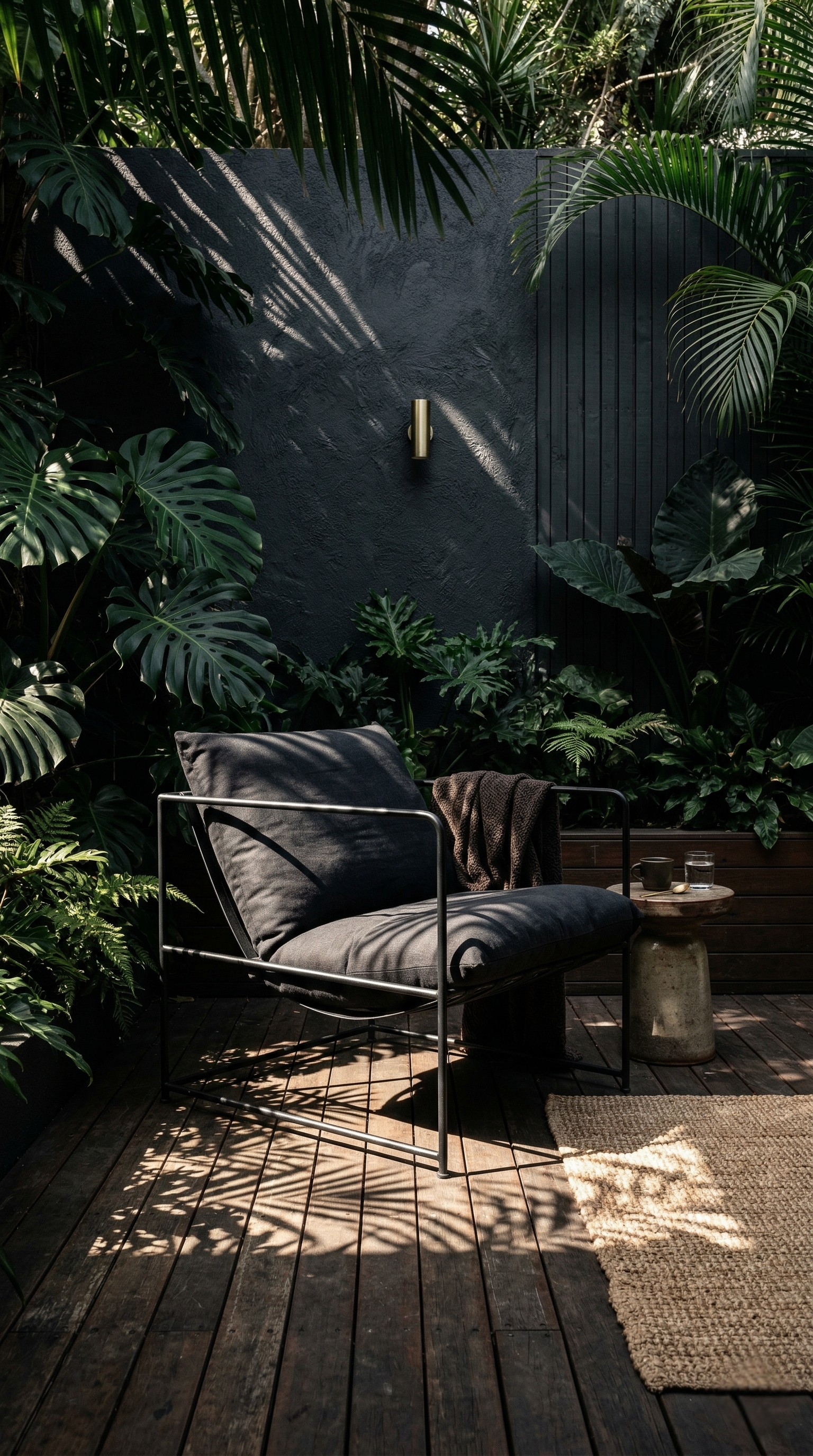
Interior walls are protected. They sit in stable temperatures, they never get rained on, and the worst they usually face is a scuffed corner or a child with a crayon. Exterior walls have no such luxury. From the moment the last coat cures, an outside wall is in a slow, permanent argument with the weather — driving monsoon rain, forty-degree afternoons, ultraviolet radiation, airborne dust, salt in coastal air, and industrial pollution in urban belts. That is why the same brand of paint can look immaculate on an inside wall for a decade and start chalking on the outside of the same building in under three years.
Most people respond to that by shopping for a “stronger” paint. It is the wrong first move. Exterior coating performance is decided far more by what is underneath the paint and how the wall handles water than by which tin you carry home. A premium exterior emulsion applied over damp, powdery, or unrepaired masonry will fail early — and it will fail in a way that costs far more to correct than doing it properly the first time.
This guide walks through exterior painting the way a specifier would approach it: understand the forces attacking the wall, diagnose the wall honestly, prepare it thoroughly, select a system rather than a product, and then apply and maintain it on a realistic schedule.
The Three Forces That Destroy Exterior Paint
Nearly every exterior coating failure traces back to one of three attackers, usually working together.
Water. Water is the primary enemy, and it rarely arrives from where people expect. Wind-driven rain pushes moisture into hairline cracks and unsealed joints. Blocked or badly routed drainage sends water running repeatedly down the same stretch of wall. Rising damp draws groundwater up through the plinth by capillary action. Once moisture is behind the film, it expands, freezes, dissolves salts, and pushes the coating off from the inside — which is why blistering and peeling almost always signal a water problem, not a paint-quality problem.
Sunlight. Ultraviolet radiation attacks the binder that holds a coating together. As the binder degrades, pigment particles lose their anchor and wash off as a fine powder. That is chalking, and if you can rub a dusty residue off your wall with a palm, the film has already begun breaking down. UV also drives fading, and it punishes some pigments far harder than others — deep reds, bright yellows, and intense organic shades typically shift long before earthy mineral tones do.
Biological growth. Shaded, damp, poorly ventilated elevations grow algae, fungus, and moss. North-facing walls, surfaces behind dense planting, and areas under leaking pipes are the usual suspects. Growth is not merely cosmetic: it holds moisture permanently against the surface and its root structures work into the film, opening pathways for water.
Read the Wall Before You Choose the Paint
Spend an hour walking the building slowly before deciding anything. What you find determines both the preparation plan and the coating system.
- Rub test. Press a dark cloth firmly against the surface. Heavy powder on the cloth means the old coating is chalking and must be cleaned back to sound material.
- Tape test. Press strong adhesive tape onto the wall and pull it off sharply. Flakes coming away indicate the old film has lost adhesion in that zone.
- Damp patch mapping. Note where discoloured or darker patches appear, and observe whether they grow after rain. Patches that track a downpipe, a parapet, or a bathroom wall point to a plumbing or drainage defect that painting will never fix.
- Efflorescence check. White, crystalline salt deposits mean water is moving through the masonry and carrying salts to the surface. Coating over active efflorescence guarantees failure.
- Crack classification. Fine hairline crazing in plaster is normal and can be bridged by a suitable coating. Wide, deep, or stepped cracks are structural or settlement-related and need proper repair, not filler and hope.
Photograph what you find and mark it on a rough elevation sketch. It takes very little time and turns a vague repaint into a targeted job.
Preparation: Where Exterior Longevity Is Actually Won
Exterior preparation is more demanding than interior work because the surface is larger, dirtier, and usually older. Work through it in order.
Fix the water source first. Before a single litre of paint is opened, repair leaking pipes, clear choked drains, reseal parapet copings, and correct any detail that concentrates water on the wall. Painting over an unresolved leak simply buys a season.
Wash the surface properly. Remove dust, chalk residue, algae, and pollution film. Pressure washing is effective on sound masonry; on fragile or older plaster, a stiff brush and controlled washing is safer. Treat biological growth with an appropriate cleaning solution rather than scrubbing it away dry, which just spreads spores across the elevation.
Remove everything unsound. Scrape back all loose, flaking, or blistered coating and cut out hollow, drummy plaster. If a patch sounds hollow when tapped, the plaster has debonded from the substrate and any coating applied over it will come away with it.
Repair in the right materials. Rake out cracks to a proper profile so the repair material has something to key into, then fill with an exterior-grade compound suited to the depth involved. Deep repairs are built in layers rather than one heavy application. Allow every repair to cure fully — fresh cementitious work is highly alkaline and needs weeks, not days, before it is ready to coat.
Let the wall dry. This is the step most often skipped, and it causes the most damage. A wall that looks dry can still hold significant moisture deep inside. Coating a wet substrate traps that moisture and the resulting vapour pressure lifts the film. If work follows heavy rain, allow generous drying time.
Prime for the substrate you actually have. Exterior primers are not interchangeable. Porous or freshly plastered masonry needs a primer that seals and stabilises absorption. Chalky, weathered surfaces need a penetrating primer that binds the loose layer. Areas with alkalinity or salt history need a primer formulated to resist it. Getting the primer right is what allows the topcoat to perform to its rated life.
Waterproofing and Painting Are Not the Same Thing
This distinction saves a lot of wasted money. An exterior paint is a decorative and protective film designed to shed rain, resist UV, and stay clean. A waterproofing system is a thicker, more elastic barrier engineered specifically to bridge movement and block liquid water under pressure.
A quality exterior emulsion is entirely adequate for sound walls with normal rain exposure. Where you need a dedicated waterproofing approach is on terraces and roof slabs, at wall-to-slab junctions, on elevations facing driven monsoon rain, and on walls with a genuine seepage history. Applying ordinary decorative paint to a wall with active water ingress is the single most common false economy in exterior painting, because the paint gets blamed for a failure it was never designed to prevent.
Choosing the Right Exterior Coating System
Think in terms of a system — primer, body, and finish working together — rather than a single product.
Exterior acrylic emulsion. The mainstream choice for most residential and commercial elevations. Good acrylic emulsions offer strong UV and colour retention, breathability so trapped vapour can escape, resistance to algae, and a dirt-shedding surface that weathers cleanly. This is the sensible default for sound plaster in normal exposure.
Elastomeric and high-build coatings. These form a thicker, flexible film that stretches over hairline cracks as the building expands and contracts through the day. They suit older buildings with crazed plaster, structures exposed to significant thermal movement, and elevations that take heavy rain. They are more expensive per square metre and require correct film thickness to deliver their benefit.
Textured exterior finishes. Textures do more than decorate. A textured surface disguises minor plaster irregularities that a flat sheen would highlight, and the extra film thickness improves durability. They are well suited to feature elevations, compound walls, boundary walls, and facades where you want visual weight and a surface that ages gracefully.
Metal and joinery on the elevation. Grilles, railings, gates, downpipe brackets, and exterior woodwork are part of the exterior scheme and need their own systems. Coating them with wall paint is a guaranteed early failure. Pair masonry work with a proper metal system and an exterior-grade wood finish so the whole elevation ages at a similar rate.
Colour Choices That Survive the Indian Sun
Exterior colour selection carries consequences interior colour never does. Two matter most.
Fade resistance. Pigment chemistry, not price, determines how a colour holds up. Inorganic mineral pigments — the earth tones, ochres, terracottas, greys, and off-whites — are inherently more UV-stable than intense organic pigments. If you want a saturated deep shade on a sun-facing elevation, accept that it will need refreshing sooner, or reserve it for a shaded feature wall or a smaller accent area.
Heat gain. Dark exteriors absorb substantially more solar energy than light ones. On a west-facing wall in an Indian summer that translates into hotter interiors, higher cooling loads, and more thermal stress on the coating itself. Lighter, more reflective shades keep the building cooler and reduce the daily expansion and contraction that eventually cracks a film.
Always judge exterior colour outdoors, at full scale, on the actual wall. A patch at least a metre square, viewed in morning light, harsh midday sun, and late afternoon, will tell you far more than any card held up indoors. Exterior light is enormously brighter than interior light, and it makes almost every shade read paler and flatter than expected — which is why so many facades end up looking washed out compared to the sample.
Timing: When to Paint an Exterior in India
Season affects exterior results more than most people realise. The best windows are generally the weeks after the monsoon has clearly ended, once walls have dried out but before winter dew sets in, and the pre-monsoon period with enough margin to complete and cure the work before the first rains.
Avoid painting during monsoon itself, in the hours of peak summer heat when the surface is too hot and the film skins over before it can flow out, and late in the day during cold months when falling temperatures and dew can ruin a fresh coat. Follow the sun around the building rather than working straight across it — paint the elevation that is in shade at that hour, so no coat is applied to a scorching surface.
Application Practices That Make the Difference
- Work top to bottom on each elevation so drips and washings fall onto unfinished work rather than a cured coat.
- Complete a full wall in one continuous session where possible. Stopping mid-elevation and returning later leaves a visible join that no amount of rolling will hide.
- Cut in at edges, corners, and junctions with a brush, then roll the field while those edges are still wet.
- Apply two thinner coats rather than one heavy one. Two coats build even colour, consistent sheen, and proper film thickness; one thick coat sags, cures unevenly, and under-delivers on protection.
- Respect the recoat interval on the label, and extend it in cool or humid weather.
- Pay extra attention to edges, parapet tops, window reveals, and sills. Coatings naturally thin at sharp geometry, and these are exactly the places water attacks first.
Common Exterior Painting Mistakes
- Coating over an active leak or seepage and expecting paint to solve it.
- Using interior emulsion outdoors because a tin was left over — it has neither the UV stability nor the water resistance required.
- Painting freshly plastered walls before the alkalinity has settled.
- Skipping the wash-down and priming straight over chalked, powdery old paint.
- Leaving hollow plaster in place because it has not visibly fallen off yet.
- Choosing a saturated deep shade for a full sun-facing elevation without accounting for fade and heat gain.
- Thinning paint beyond the recommended limit to stretch coverage, which reduces film thickness and protection proportionally.
- Ignoring metalwork and woodwork, so the elevation looks tired within a year even though the walls are sound.
Maintaining the Finish and Planning the Repaint Cycle
Exterior coatings are consumable. Treating them as maintainable assets rather than one-time purchases dramatically improves lifetime cost.
Inspect the building once a year, ideally right after the monsoon when defects are easiest to spot. Wash down dust and pollution film periodically, especially on elevations facing traffic. Clear vegetation back so walls can dry and air can move. Re-seal joints and copings as they age. Most importantly, touch up localised damage early — a small area of lifting film repaired promptly costs almost nothing, while the same defect left for two monsoons can undermine an entire elevation.
Realistic repaint intervals depend on exposure, coating quality, and how well the wall was prepared. Sheltered elevations with a well-prepared, quality system last considerably longer than heavily exposed or coastal walls. When you do repaint, the diagnosis and preparation work should be repeated properly rather than assumed — the wall has changed since the last cycle.
Thinking About Cost the Right Way
The cheapest exterior job is almost never the least expensive one. Labour, scaffolding, and access typically dominate the bill, and those costs are paid again every time the wall needs recoating. Cutting the paint specification to save a modest amount, then repainting years earlier than necessary, means paying the expensive part of the job twice.
Judge cost per year of service rather than cost per litre. A well-prepared wall with a properly matched primer and topcoat, applied at the correct thickness in suitable weather, protects the building longer, keeps interiors cooler and drier, and preserves the value of the property behind it.
Exterior Coating Solutions from Zorvanta
At Zorvanta, we build coating systems for real conditions — heavy monsoon exposure, intense summer UV, coastal salt, and urban pollution. Our exterior and decorative ranges are developed to hold colour, resist algae, shed dirt, and keep protecting long after ordinary paints have started to chalk.
Explore our decorative and texture range to see exterior finishes in detail, read our companion guide on surface preparation before painting, or request a quotation for your elevation. If you would like help specifying the right system for a particular building, contact our team and we will guide you through it.
Frequently Asked Questions (FAQs)
1. How often should exterior walls be repainted?
It depends on exposure and the quality of the original system. Sheltered elevations with thorough preparation and a quality exterior coating last considerably longer than heavily exposed, coastal, or polluted-area walls. Inspect annually after the monsoon and repaint when you see chalking, widespread fading, or loss of film integrity rather than waiting for a fixed number of years.
2. Can I use interior paint on an exterior wall?
No. Interior emulsions lack the UV stability, water resistance, and algae resistance that outdoor exposure demands. They will fade, chalk, and fail quickly outdoors, and the cost of redoing the work far exceeds any saving from using leftover paint.
3. Will exterior paint stop wall seepage and dampness?
Not on its own. Decorative exterior paint sheds rain from a sound wall, but it cannot block water entering under pressure or from a leak. Fix the source — plumbing, drainage, parapet, or junction detail — and use a dedicated waterproofing system where there is a genuine seepage history. Only then does the topcoat perform as intended.
4. What is the best time of year to paint exterior walls in India?
The weeks after the monsoon has clearly ended, once walls have dried out, or the pre-monsoon window with enough margin to finish and cure before the rains. Avoid the monsoon itself, peak afternoon summer heat, and late-day work in cold, dewy months.
5. Why is my exterior paint powdery to the touch?
That is chalking. UV has degraded the binder, releasing pigment as loose powder. The wall must be washed and thoroughly cleaned back to sound material, then treated with a penetrating primer that binds the remaining surface, before any new coat is applied.
6. Which exterior colours fade the fastest?
Intense organic pigments — bright reds, vivid yellows, and highly saturated shades — fade fastest under strong sun. Inorganic mineral tones such as ochres, terracottas, greys, and off-whites are far more UV-stable and hold their appearance longer on exposed elevations.
7. How long should freshly plastered walls cure before painting?
New cementitious plaster is strongly alkaline and holds moisture well after it feels dry. It needs weeks rather than days to settle, and an alkali-resistant primer once it is ready. Painting too early commonly causes patchy finish, discolouration, and early peeling.
8. Are two coats really necessary on exteriors?
Yes. Two thinner coats deliver even colour, consistent sheen, and the film thickness the coating needs to protect the wall. A single heavy coat sags, cures unevenly, and provides noticeably less protection, which shortens the life of the entire system.
Need help choosing the right finish?
Talk to our team or request a tailored quotation for your project.